

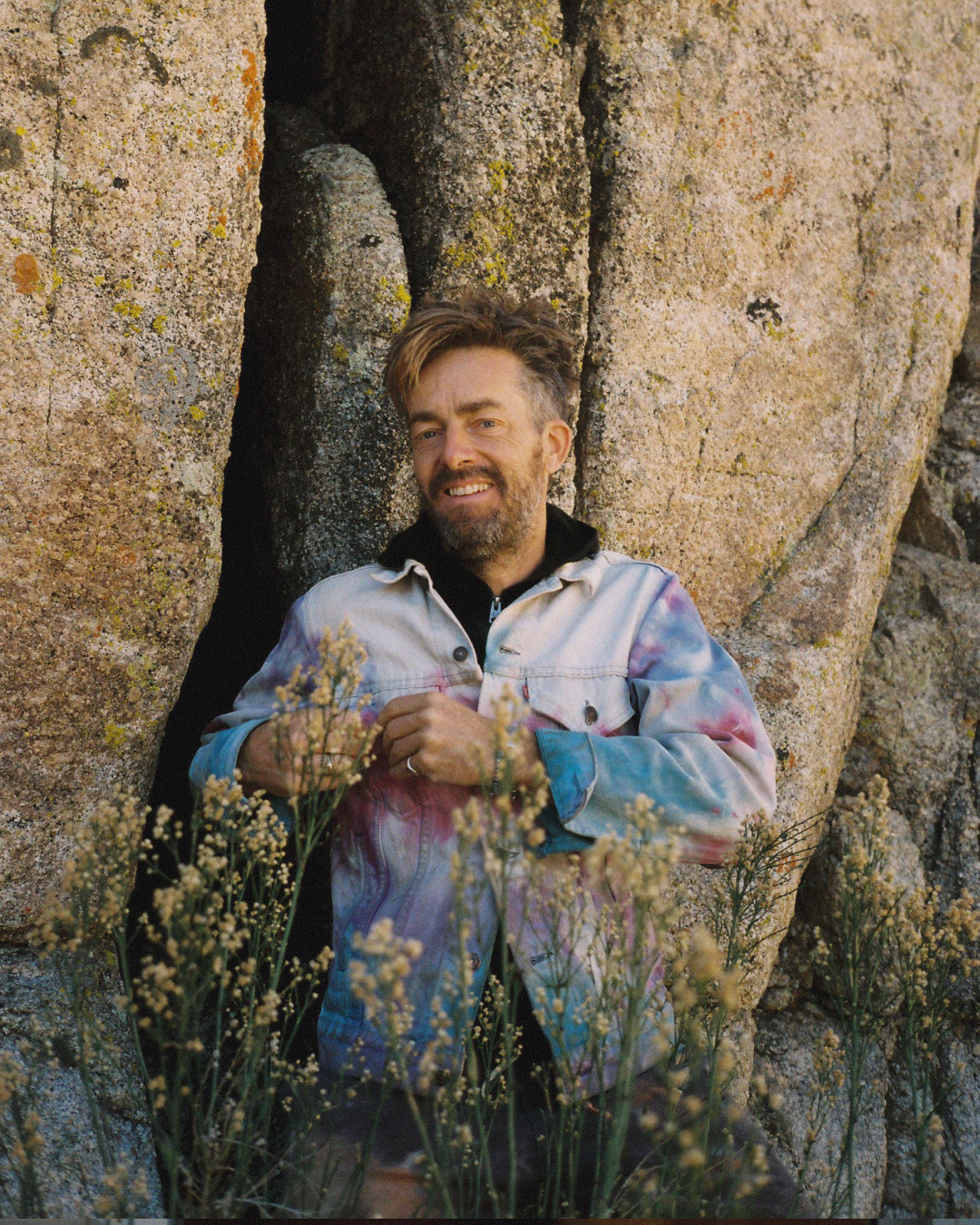
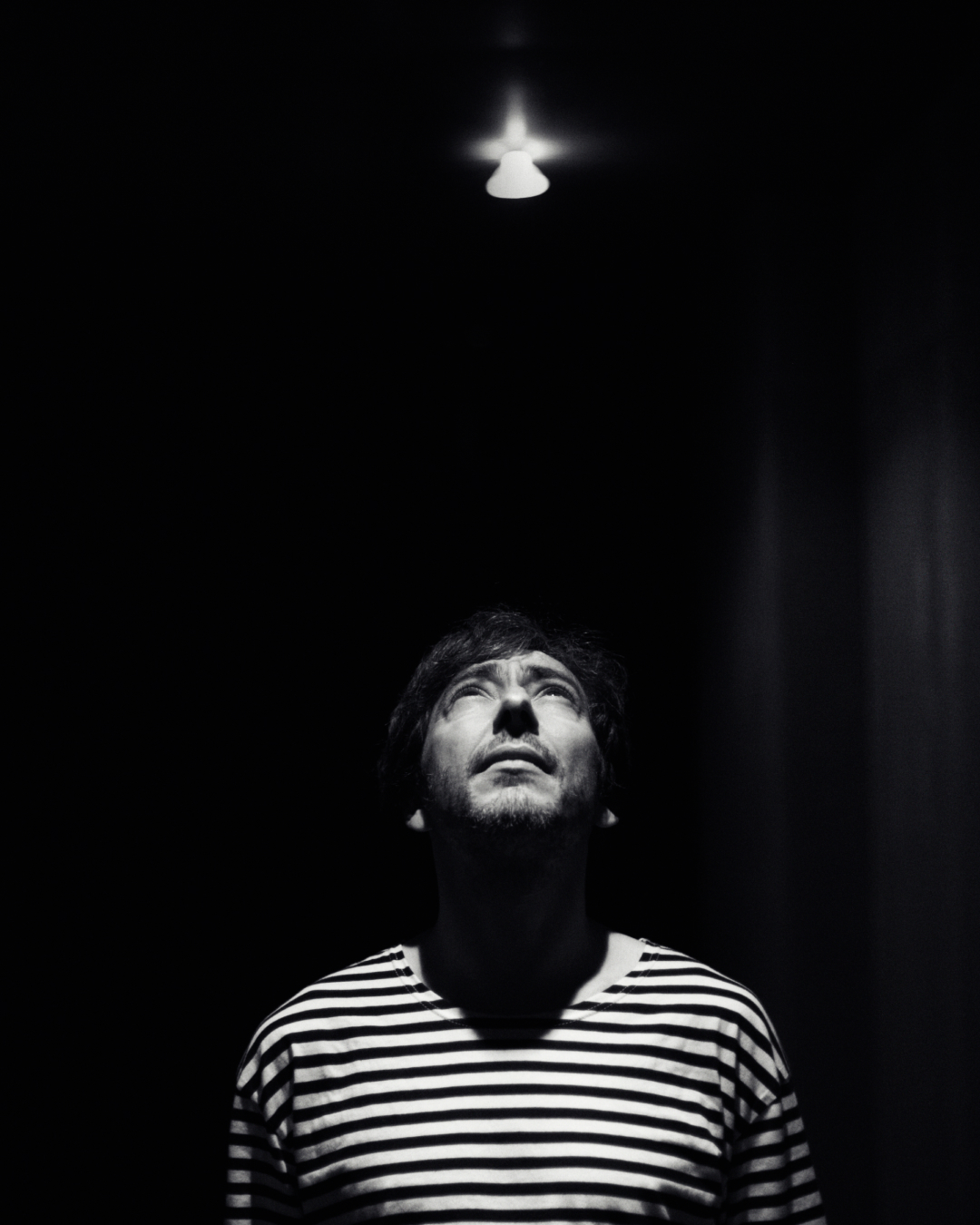
As a club visionary and creative entrepreneur, few have helped shape contemporary nightlife culture quite like Olaf Boswijk. The creative force behind Trouw and co-founder of De School – two clubs regarded among the most influential of the 21st century - the Dutch native has spent decades championing the intersection of music, art and community. After a stint in the Chilean Andes establishing the artist residency Valley of the Possible, Olaf has turned his attention to life coaching - drawing on decades of nightlife experience to help fellow creatives navigate their careers and realise their full potential.
We recently caught up with the multi-hyphenate to chat his transition into life coaching, the enduring legacy of Trouw and De School, the importance of authenticity and community in creative practice, and why nurturing grassroots culture is vital to the future of nightlife.
Trouw and De School were both landmark clubs that resonated deeply in the lexicon of global electronic music. What made them so special?
It was a combination of different things, but the most important being strong artistic vision, a real community of clubbers and dedicated staff working together towards a clear goal. Architecture was also key - both Trouw and De School were very inspiring and beautiful spaces you could get lost in. They also had great attention to detail when it came to sound; both spaces had wonderful acoustics. It’s a difficult thing to put into words, but I feel like they both had a lot of love and soul poured into them, which is not something that’s often talked about when it comes to why venues are successful. You can create the perfect lineup, have a great sound system, get all your marketing right and have a strong community, but if you don't have your heart and soul in it, then I don't believe it can really go above a certain level.
That reminds me of something Ewan Pearson once said which has always stuck with me - people can tell when you care about what you’re doing.
Definitely. They might not be able to put it into words, but they can feel it.
Were Trouw and De School considered medium sized venues? And do you think their size contributed to their success?
I guess you'd call Trouw a mid-sized club. On slower nights we’d get around 400-500 people through the doors, then on busy nights around 1500-2000, because over a weekend you’d have a lot of people coming and going over two or three days. It's a size that allows for a decent amount of people, which then allows you a good budget to put together compelling lineups. But it's also not too big that it becomes very anonymous. Both clubs were pretty big ships to steer. Just for the record, I setup De School, but never steered the ship there. Both of them had a 24-hour license, a restaurant and an arts foundation, which in essence made them 24-7 operations.

I heard one of the key points raised at ADE a couple of years ago is that small clubs are the future of nightlife. What do you think?
I definitely prefer small clubs. It’s funny, when I started Trouw I was looking for something around the size of 500-600 people max, but it turned out the venue could actually hold 700. We had completely miscalculated the space! There are some great small clubs in Amsterdam whose role within the dance music ecosystem is incredibly important. They foster talent by hosting resident DJs and they let new people play for the first time. They allow DJs to grow their profile and slowly become real artists. And it means the audience can get familiar with them. They have become breeding grounds for talent and we really need that.
Another of your creative ventures is Valley of the Possible, an artist residency in Chile focused on regenerative culture and environmental thinking. How did that project come about?
After closing Trouw, I spent about six months laying the foundations for De School; finding the building, working with the municipality, securing permits and putting the team together. But it was always clear to me that I didn't want to be actively involved in running it. I wanted to take some time off and travel, so my wife and I drove in a campervan from North America all the way to the southern tip of South America. During that trip we started dreaming about creating an artist residency. We ended up falling in love with this valley in Chile where we camped for several months. Eventually we bought a piece of land, built a cabin and established an artist residency there. We lived in Chile for a couple of years before returning about two years ago.
In recent years you’ve pivoted to life coaching. What does that involve and what kind of industries do your clients work in?
Most people I work with are from the creative industries and a large part of that is nightlife and music, which is obviously where my network and history is - although I have worked with doctors and lawyers too. Many people come to me because I understand the environment they operate in and the unique challenges that come with it. Having been a club owner and somewhat of a DJ myself, I know what they're going through. I combine that lived experience with my coaching skills to help people make better decisions, navigate challenges and ultimately become the best version of themselves.
Your friend Nick Sabine, who co-founded Resident Advisor, has also moved into life coaching. It's interesting given your backgrounds in music that you’ve both ended up working in the same field again.
I've known Nick professionally for over 20 years. When I was promoting at Club 11 and later at Trouw, we started to work with RA a lot. Now he’s a good mate and we chat about our careers all the time. I was recently listening to a podcast that featured Nick - and he was also telling me about it – where he was talking about how he started RA and what attracted him to that world, and I realised there are many similarities in our life stories. We both felt this real desire to be involved with music, but we also come from somewhat damaged backgrounds, where we felt like we were looking for a sense of belonging. I see that a lot with people involved in club culture and nightlife - you can really find your home and meet kindred spirits on the dance floor.
How did you get started in coaching?
It was during COVID when everything came to a standstill. I noticed in my immediate surrounding so many artists, creatives and people in nightlife that couldn't do what they wanted to do and were basically running up against a wall because of the all the lockdowns. In a spur of the moment, I posted on my Instagram, Hey guys, if you want to chat, I'd be happy to listen to your story and maybe offer any experience or advice. Let’s get a coffee and go for a walk. I was flooded with messages and for the next two weeks, every day I would do four or five walks with people. I immediately sensed how much I loved learning about people and what drives them, what holds them back, and how we can change the narratives in our heads. Funnily enough, later I found out that Nick had made a similar switch. He'd taken a step back from leading RA and had completed a coaching course.
How do you think did running a club gave you the skills to help people navigate their careers?
Leading my businesses, I realised what I enjoyed most wasn't just running the company but supporting the people in it. I was always interested in what my team enjoyed about their work, what they were struggling with and how we could support them in a way that benefited both the business and them as individuals. That mindset extended to the artists we worked with; I always wanted to create the best possible conditions for them to perform, whether that meant the right stage, sound and lighting, or simply making them feel welcome and looked after. Picking them up from the hotel, driving them to the airport, sharing a meal - those small gestures helped them feel supported and able to best do their job.
Is there commonality in the roadblocks people face regardless of the industry they work in?
Yes. People often grow up with a set of beliefs that serve them well for a long time, both in life and in their careers. But eventually they start asking themselves, Am I actually living my own life, or somebody else's? That's when we begin to dig deeper and discover many of those beliefs came from parents, caregivers, teachers or society. We start to unpack them and identify how they're creating blockages around what people believe they're capable of. The beautiful thing is that those beliefs aren't fixed. You can let go of them, reframe them or create new ones. It's basically installing a new operating system. It takes a lot of inner work, but when it happens, it can be incredibly liberating and transformative.
As someone who has worked in music and events for decades, what are your thoughts on the current electronic music scene? Do you find there’s a growing disconnect between the mainstream and the underground?
I don't know if I'd call it a disconnect. If anything, they've probably grown closer together. There's always going to be an Instagram post promoting the next underground party, and there are still illegal parties happening around the world, but as far as I can tell, much of that doesn't exist anymore. What I do think we're seeing is a continuation of something that's been part of dance music from the beginning - a capitalist system driving the industry where everything keeps getting bigger and bigger and more expensive. That makes it increasingly difficult for small clubs and emerging artists to keep up. Throughout my career, I'd have the same conversation with club owners and promoters every year: How do we compete with the festivals? How do we compete with exclusivity deals? How do we keep up with rising DJ fees? It always felt like underground club culture was on the verge of disappearing. It still hasn’t, but I worry about how sustainable the current model is. Social media has also had a negative impact, as it has on many parts of society. It's a good promotional tool, but at the same time, I do think that a lot of the values that form the base of club culture are being challenged by those market dynamics.
What’s the solution?
Supporting grassroots culture. That's how I and so many people got started and it’s a pathway that still matters. In the Netherlands we've been fortunate to see governments begin to recognise nightlife as a cultural asset. I've been involved in advising the Amsterdam Fund for the Arts on how funding should be allocated, and it's encouraging to see collectives, communities and independent organisations becoming better at accessing that support. That's something we never really had. Sure, it was once much easier to find a space, put on a party and keep costs down, but those barriers are much higher today. So, I think the most positive development is the growing recognition from governments, councils and arts organisations that nightlife contributes something meaningful to a city's cultural life. As that awareness grows, so too does the funding and infrastructure needed to support grassroots scenes.
What are some Amsterdam clubs or parties that are doing exciting things at the moment?
Garage Noord is incredibly inspiring. It's a small DIY club with a capacity of around 400 or 500 people. Funnily enough, it was founded by the son of my former business partner from Club 11 and Trouw. They're doing really weird, forward-thinking stuff. You'll hear electronic music from all over the world and from all these different cultural niches of the internet. Some of it is difficult to even describe, but it's definitely not just four-to-the-floor house and techno. I also love Club Raum. It's entirely queer-owned and the darkest, most hedonistic club in Amsterdam right now when it comes to house and techno.
What advice would you give to young promoters, artists or anyone trying to build a creative business?
It’s important to know yourself, because understanding your strengths and your limitations allows you to build the right team around you. Having strong and unique artistic vision is also essential. I run a monthly workshop in Amsterdam with Nick [Sabine] called ‘Breaking Sameness’, and one thing we see time and again is how many artists feel pressure to conform to what the market or the industry expects of them. Whether it's social media, finding a manager or building a particular image; those things can all be important, but they shouldn't define you. It’s more important to know who you are, what your message is and the story you want to tell. That should come through in the way you play music, the parties you create or the atmosphere of your club. Yes, you can be inspired by other artists and spaces, but it's equally important to embrace what makes you unique. Ultimately, diversity is what keeps culture alive. It's the same in nature - ecosystems are resilient because they're diverse. Club culture works the same way. Different perspectives, sounds and ideas emerge when people stay authentic instead of trying to become someone else.
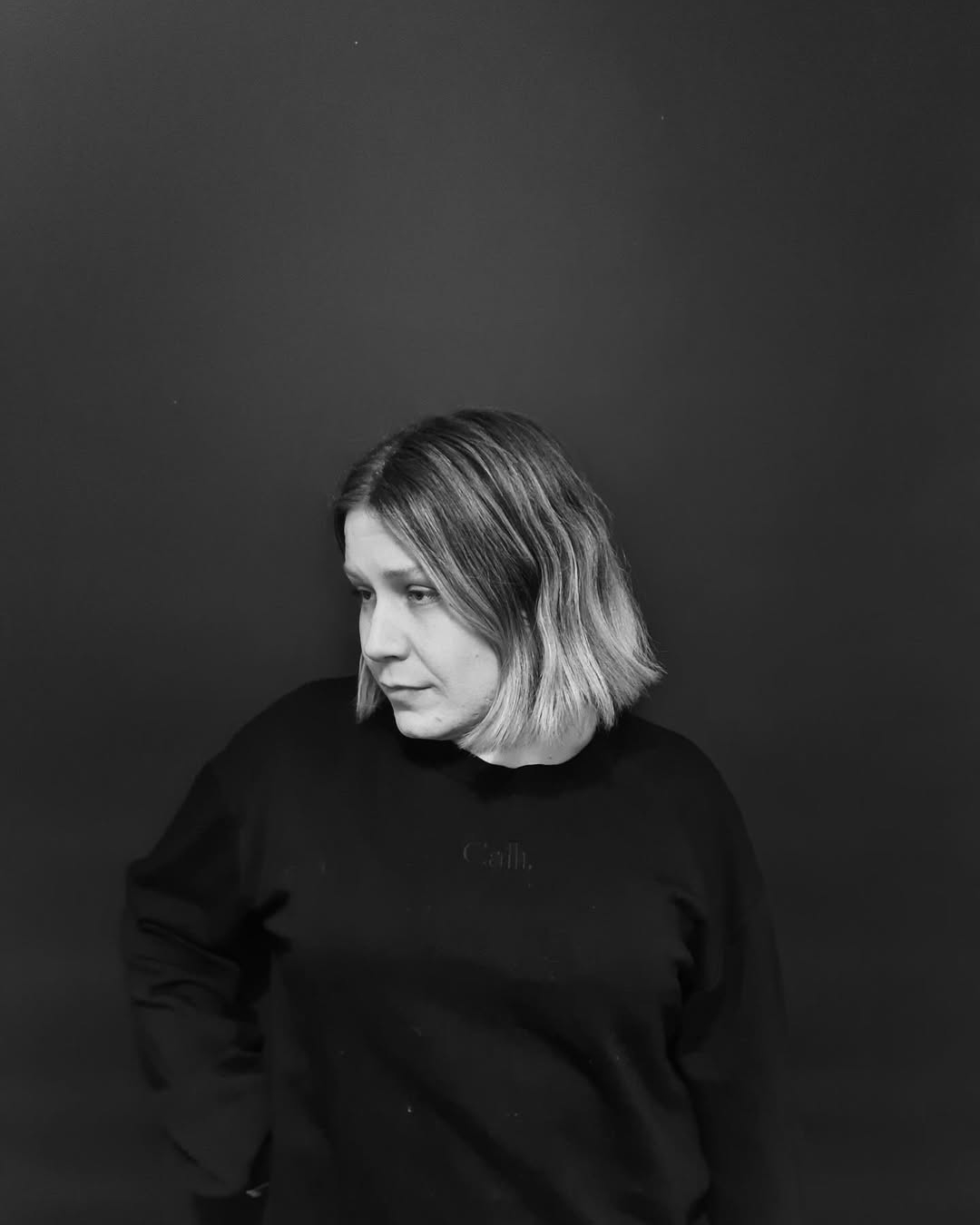
Olaf Boswijk is a coach, creative entrepreneur, and DJ. From helming innovative electronic spaces in Amsterdam to launching an artist residency in the Chilean Andes: Olaf’s enduring zest for championing culture and community outside of commercialism’s restraints lies at the heart of everything he does. Today, Boswijk’s coaching work draws on the breadth of his international, multi-disciplinary experiences––to give people a foundation to thrive, and become the best versions of themselves.

.webp)


