
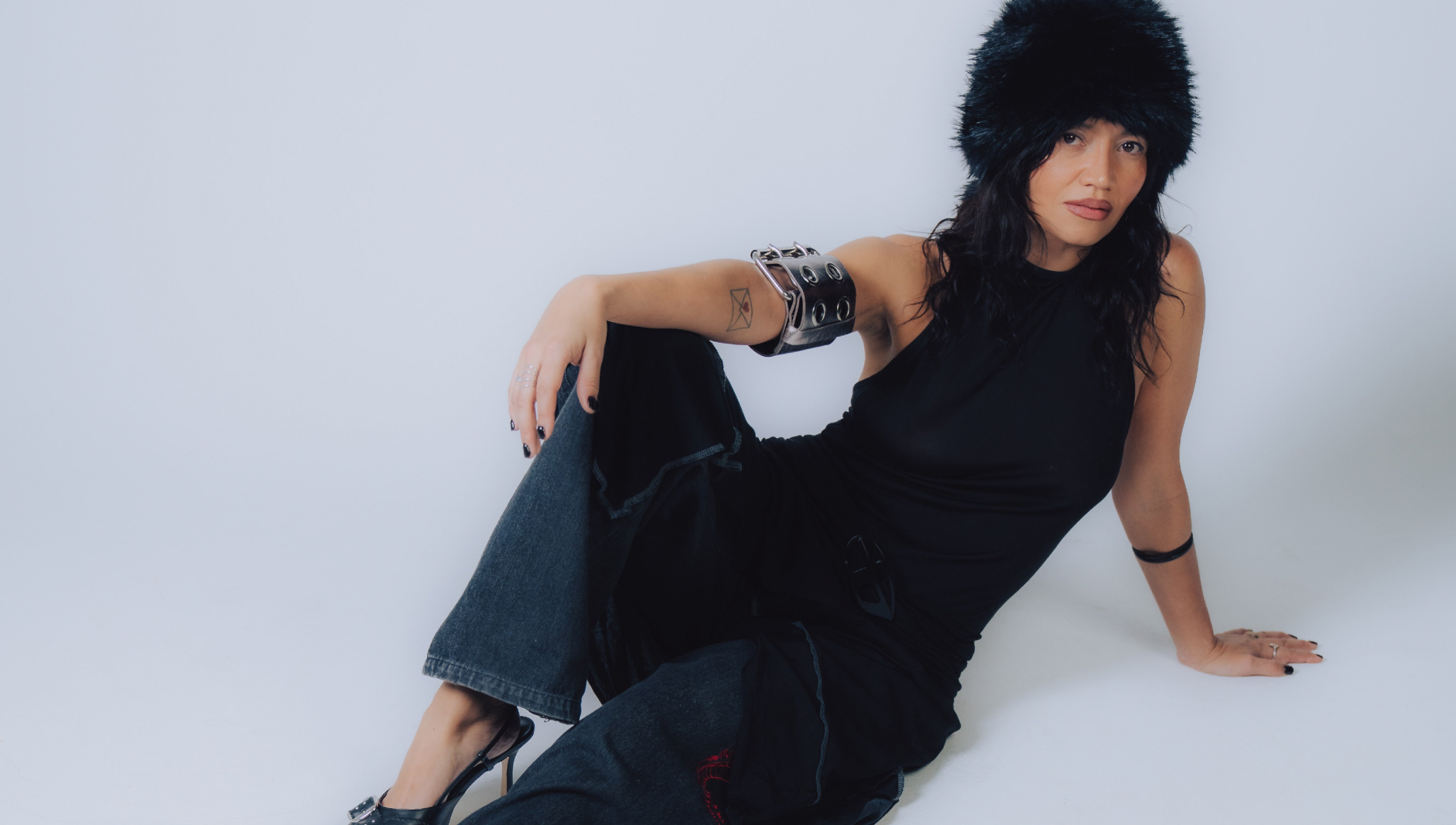
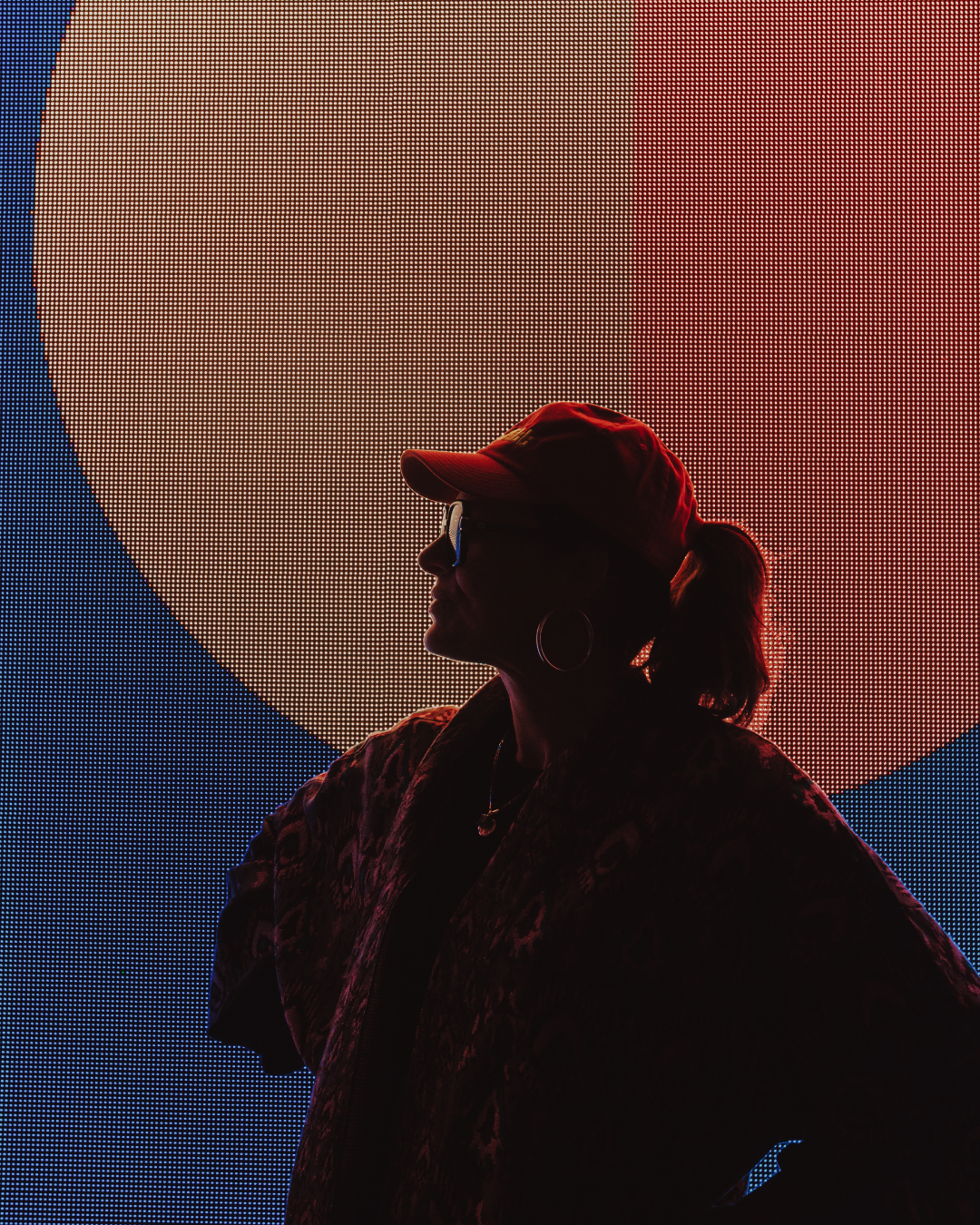
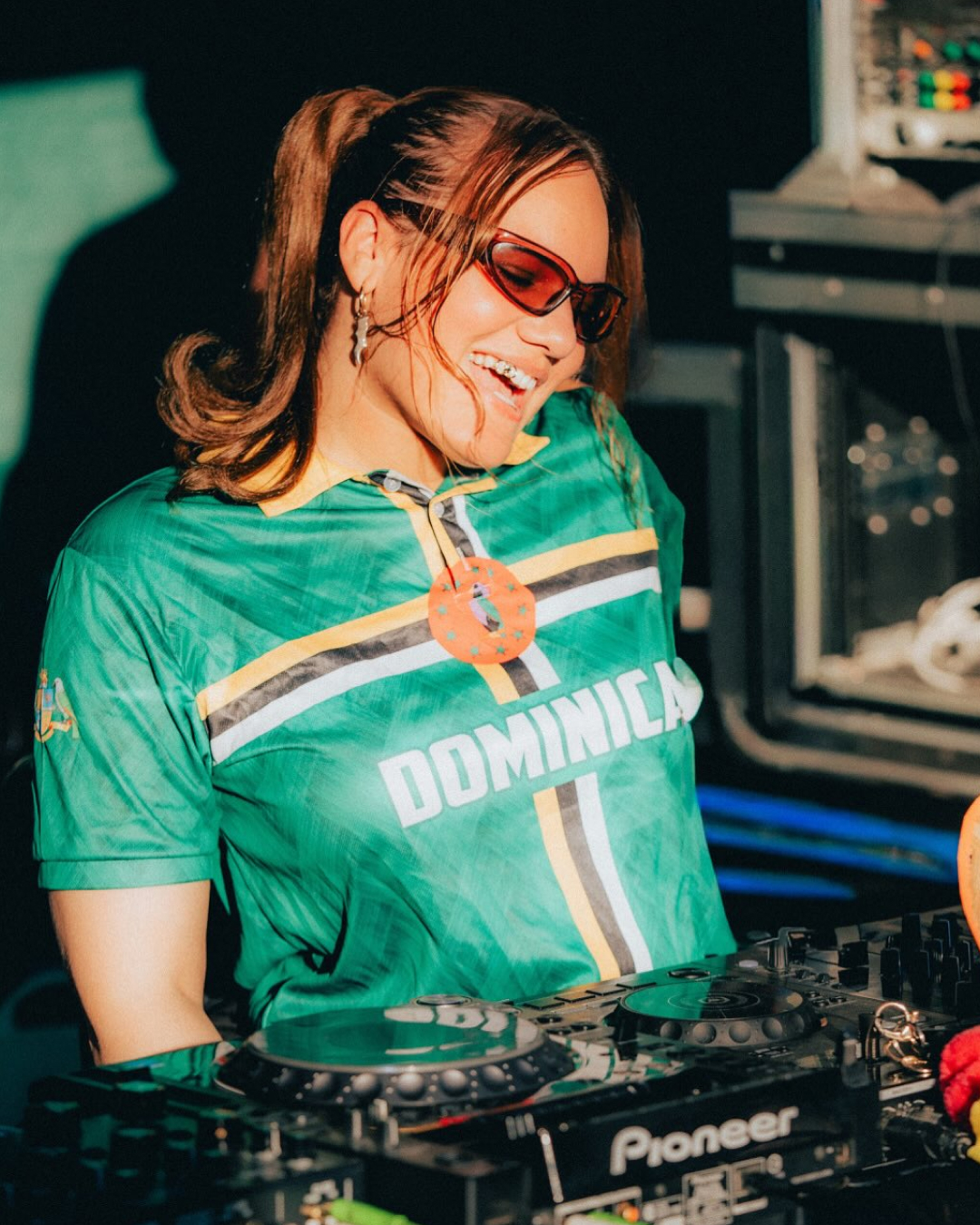
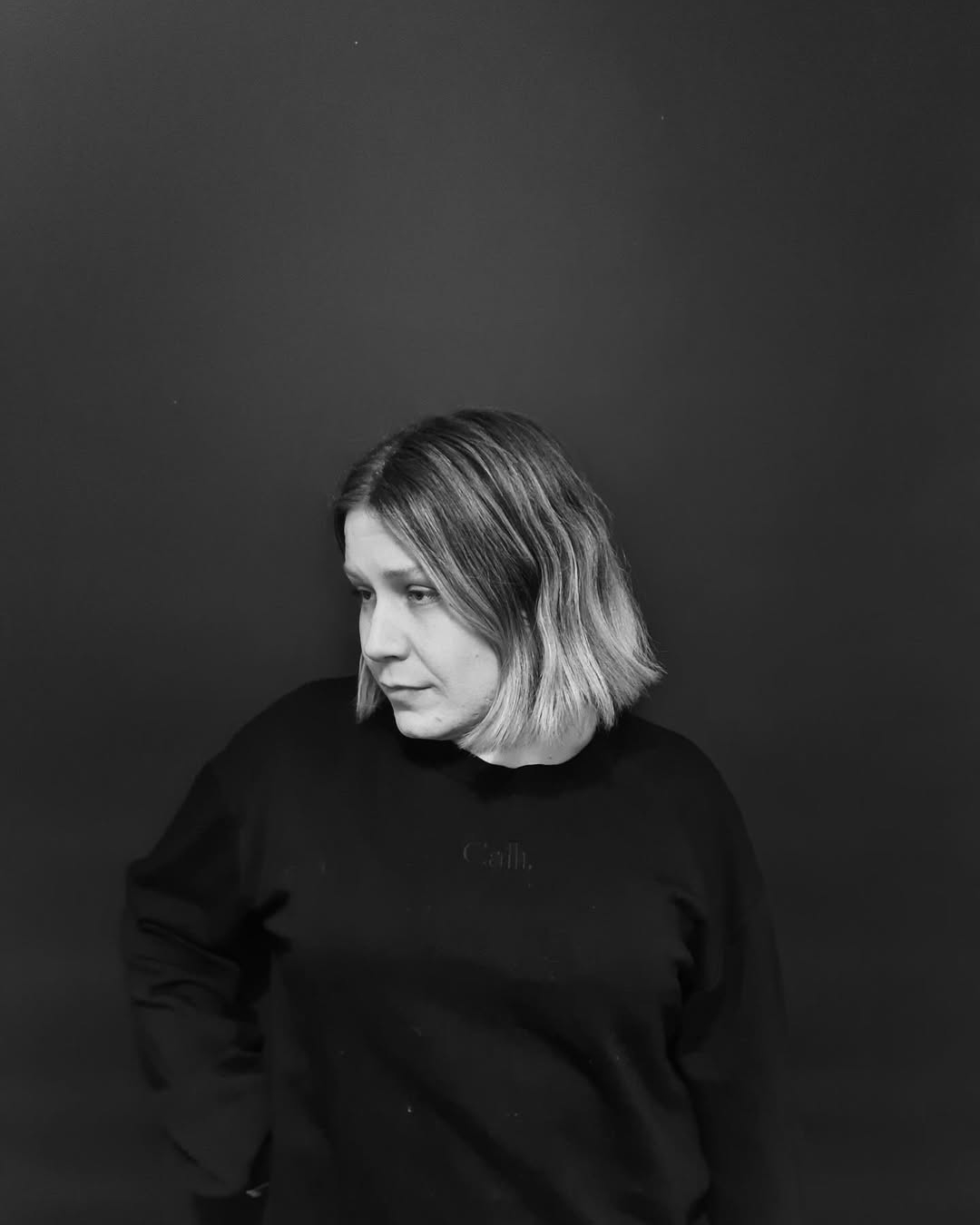
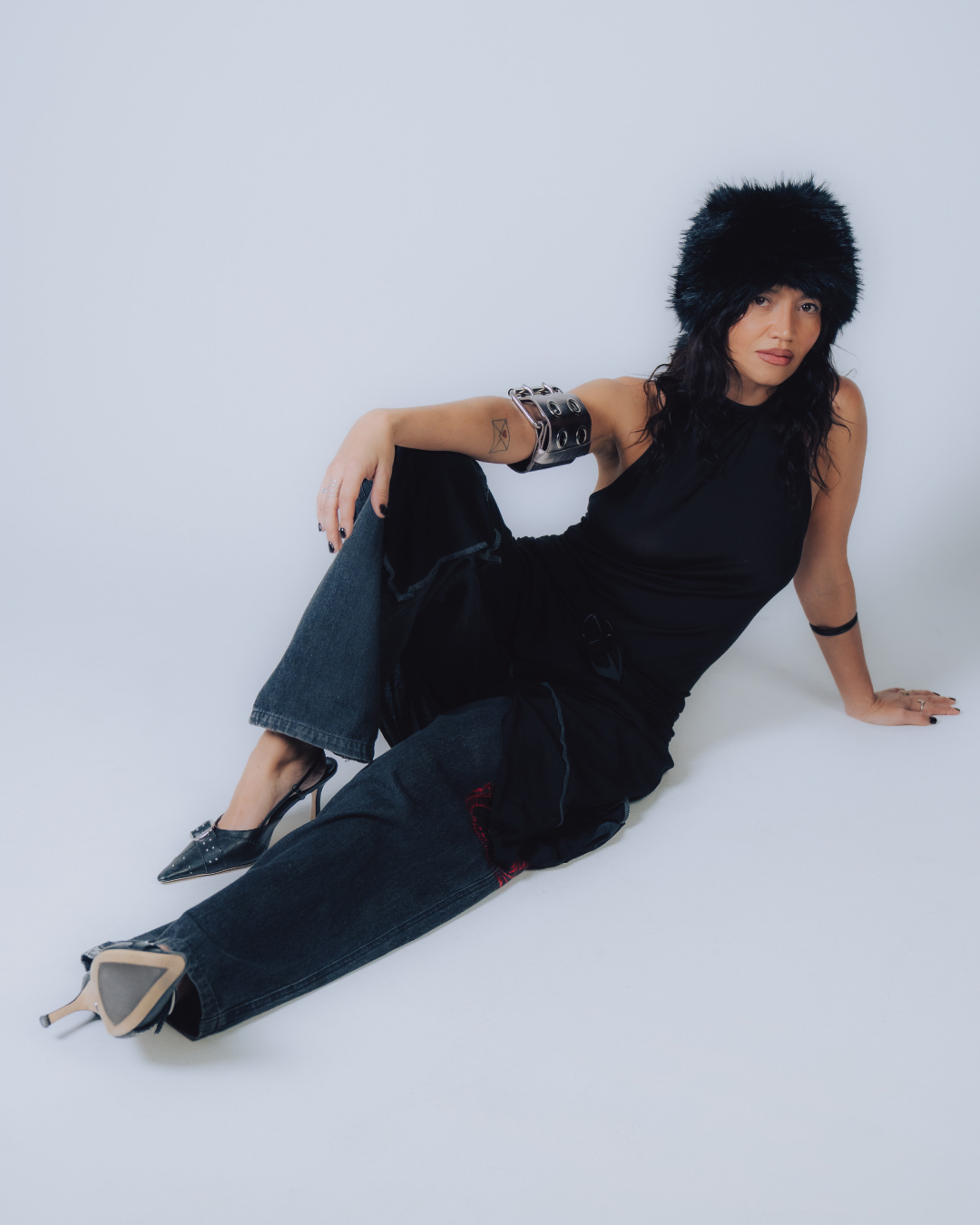
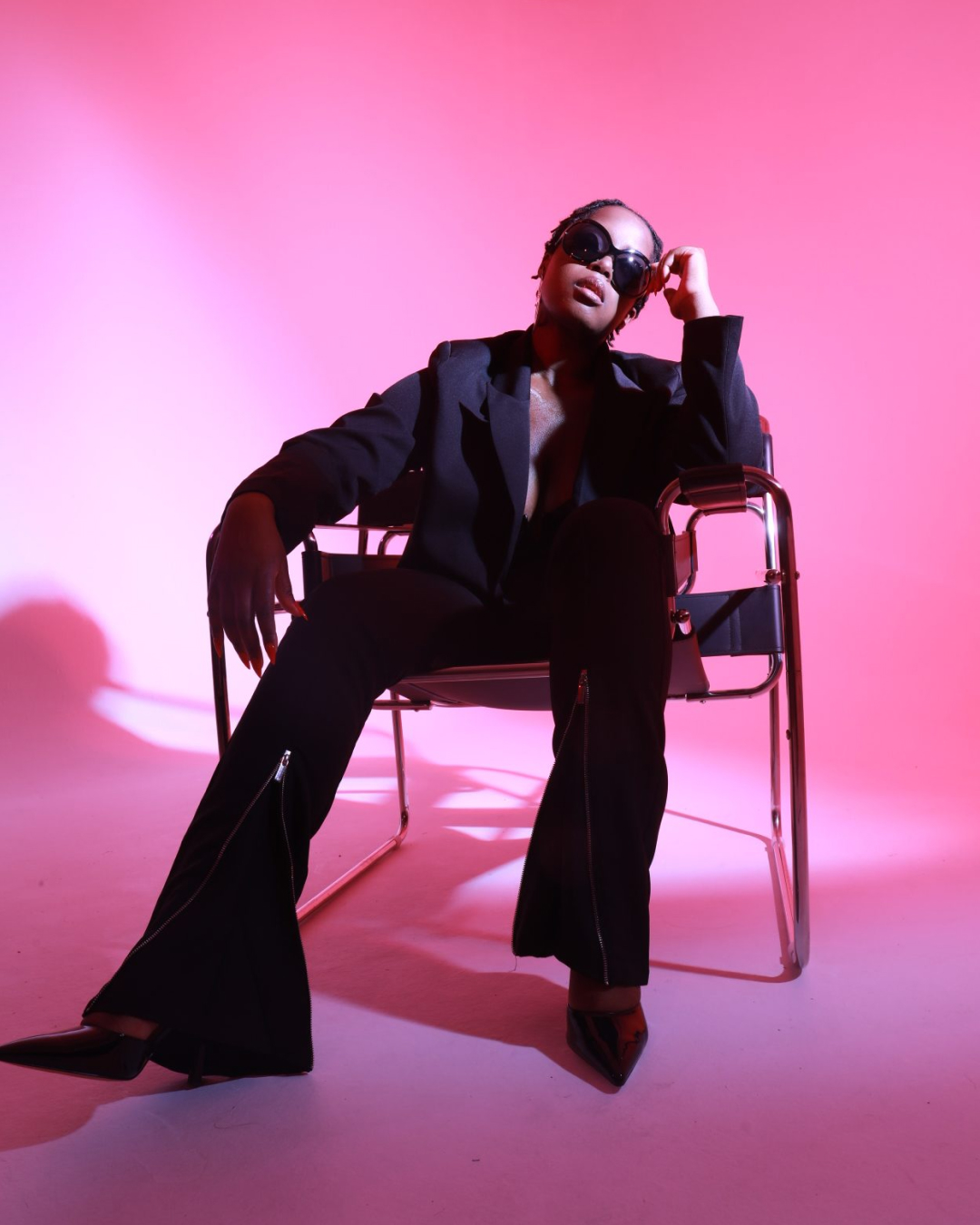
Bogotá born artist Lina Zabaleta also known as Zalina, founded Chuleo Club back home in Melbourne in 2024. Her very first edition saw her host DJ Rosa Pistola at Miscellania, delivered hot and heavy and with a decided ease. Day-to-day Lina wears many hats, consulting and managing brands alongside organising and playing parties. Lina seems to operate all of this in seamless flow, a combination of hard work, grit and the instant resonance of her project.
Chuleo Club celebrates Latinx music in its many evolving forms, an embodiment of swagger and sexiness that feels comfortable and completely true to self. Putting this into practice, Lina provides a space for her community to expand their understanding of what the diaspora looks and feels like, all the while uniting people across different backgrounds and cultural experiences.
In the lead up to her next Chuleo Club night in residence at Club 77, we caught up with Zalina to learn more about the evolution of her party, and how she continues to inspire and sustain dance floors across the country.
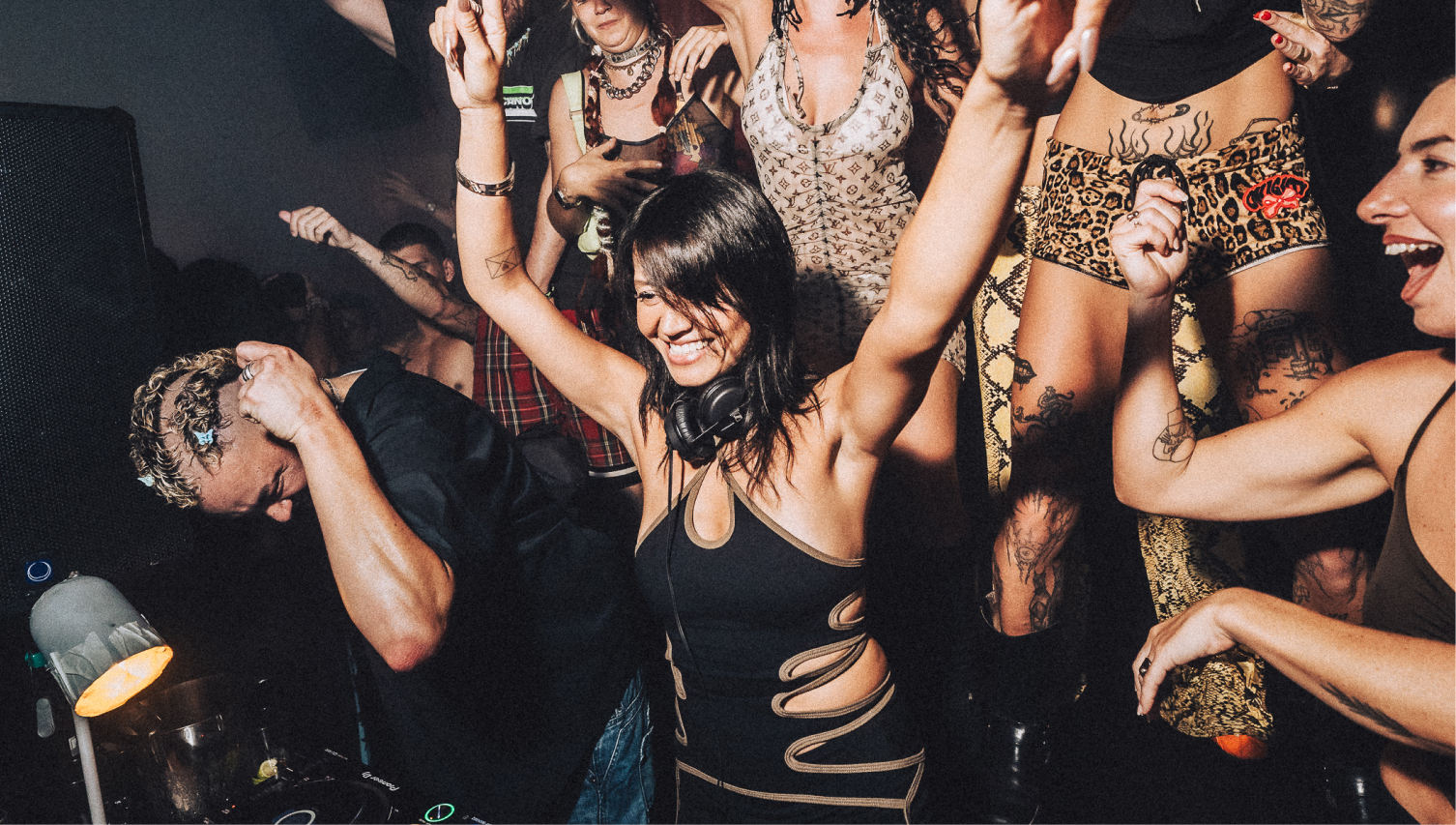
Chuleo Club caters to a growing number of people who want to go out and really dance, rather than chit chat, or be seen at the right place at the right time. How have you maintained this?
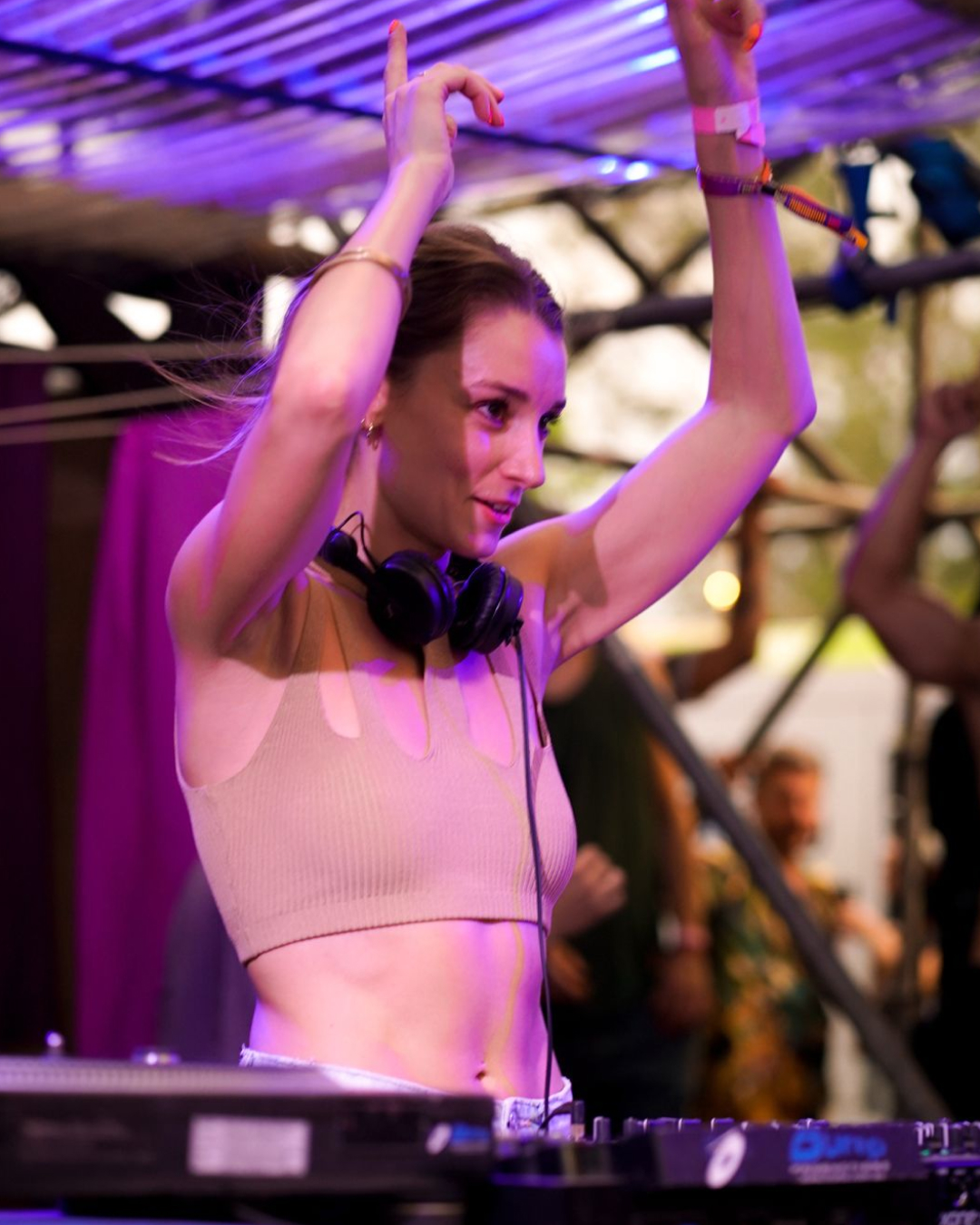
I protect the dancefloor first, everything else comes second. That starts with programming: sets that build a music journey, and DJs who can read a room.
I’m also really intentional about the environment: I work with @noreply_collective throughout the year on stage design, and @6enny6lue for visuals, so it’s not just a dance floor, it feels like you’ve stepped into a club world that can shift moods with the music and take you somewhere else for a few hours. Honestly, the best sign it’s working is the crowd: people come to dance, not scroll. It’s rare to see phones out; the room stays present, sweaty, and locked in.
How has your sound shifted since starting Chuleo Club? Undoubtedly Latin music is expansive: Reggaeton and beyond - what sounds are inspiring your mixes?
At the start, my sets were really rooted in cumbia, reggaetón, dembow and slower, warmer rhythms. I actually only started DJing about a year before Chuleo, so in a lot of ways, Chuleo has been my learning curve in real time. I’ve been discovering more and more club music coming out of Latin America every day, and letting that shape the project. Now the sound has expanded into a wider Latin club universe: uwaracha, latincore, speed dembow, baile funk, raptor house, bounce and even trance, still sensual, but with more speed, grit and drama. My sets feel like a journey: I’ll push it fast, drop into cumbia/reggaetón, then build back up again.
For me, it’s also about breaking away from the “spicy/caliente” stereotype and making space for Latin American sounds that can be cold, futuristic, and synth-driven. Just because it’s not “roots” music doesn’t make it any less South American. It's still our experience, translated through the club.
Chuelo Club gives people the opportunity to go out and feel sexy. Have you faced resistance to this in any way? Why is this important to you?
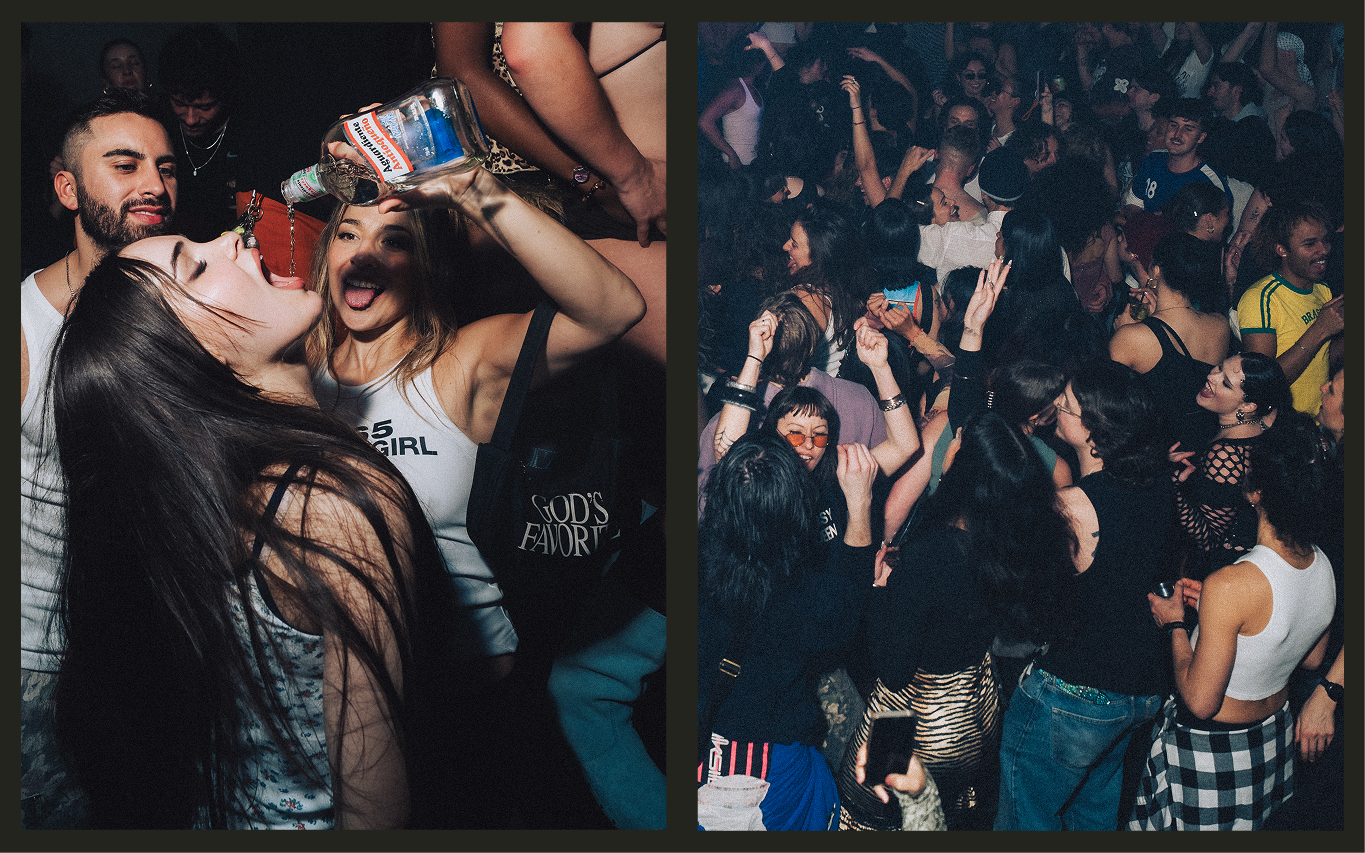
Honestly, I haven’t encountered much direct resistance; we’ve been lucky. We’re clear about the culture from the start: dancefloor-first, community-led, built on respect and consent. The vibe is genuinely inviting, so people feel held rather than judged, and they can really move. That’s exactly why I do it: so people can feel sexy in a way that’s safe, self-owned, and celebrated, not policed or performative. When people feel held, they dance harder and connect more honestly.
Your parties highlight community forward artists and intricate sounds without feeling inaccessible or ‘scenery,’ how do you strike this balance?
Chuleo has always been community-forward because I want the party to feel welcoming and connected, not niche or cliquey. Even though the music is Latinx-led, that doesn’t mean it’s ‘only for Latinos.’ The whole point is to bring everyone in, people from anywhere and let them experience the culture through the dancefloor. I love that moment where someone hears dembow, guaracha or cumbia in a club context for the first time and suddenly gets it.
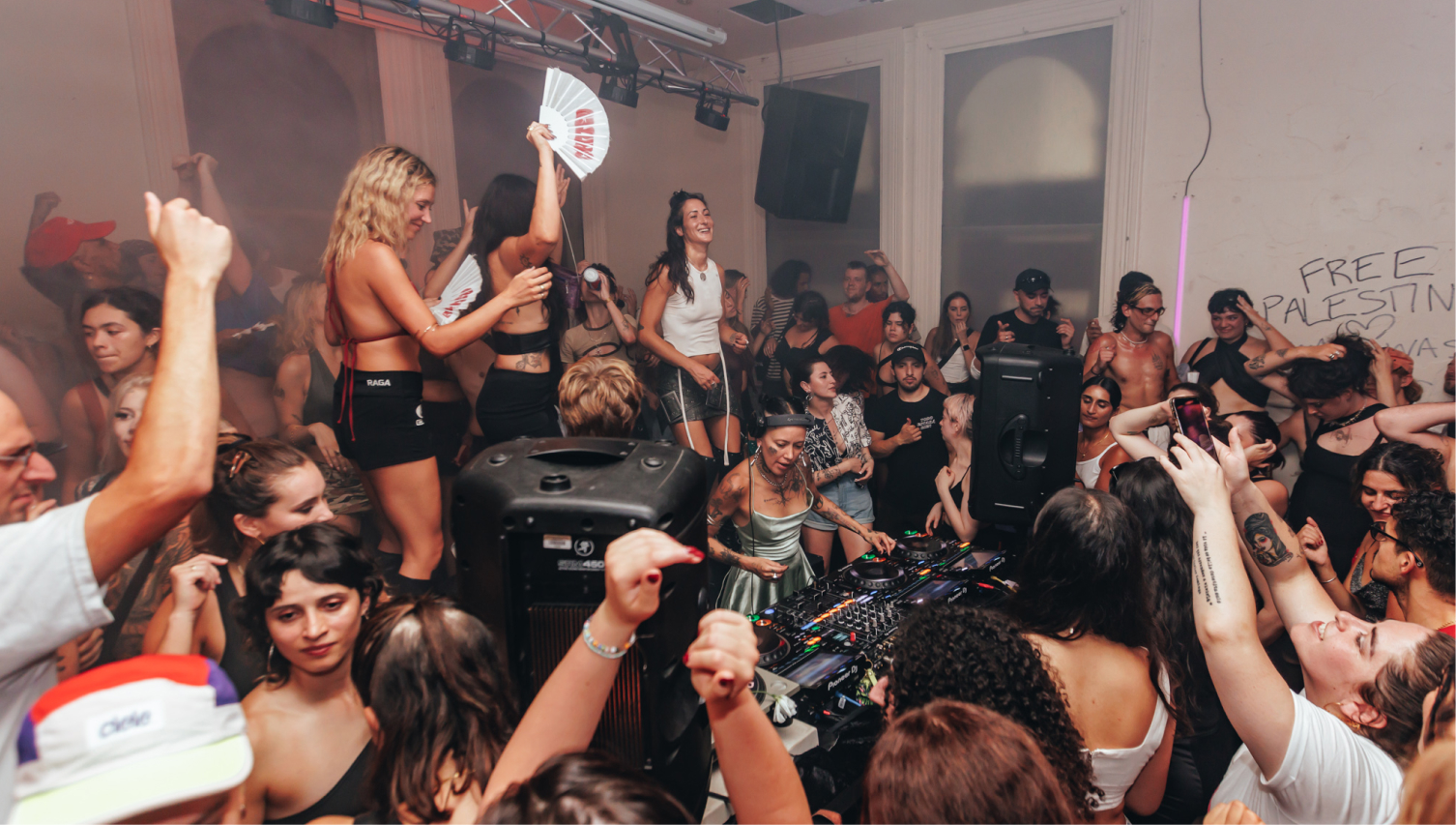
That’s also why our nights are set up so the energy stays close: when artists are playing, you’ll always see the community dancing right around the DJs. It doesn’t matter who you are l, whether you’re in the industry or not, once you’re in the room, we’re all there for the same thing: to dance together, sweaty and present.
Why is being selective about venues so crucial to your party?
A queer and community-friendly venue is a non-negotiable for me…. one of the main things I also look for is a setup where the DJ is on the same level as the crowd. I personally don’t love big stages because they create a disconnect. When the booth is eye-level, it feels communal the DJ can read the room, the room can talk back, and the energy moves both ways. On top of that, I prioritise strong sound, good staff, and a layout that supports real dancing.
Club 77 is special because it has that proper underground feeling, intimate, sweaty, and close. Some of my favourite memories there are hosting two of my favourite artists ever: Safety Trance in February and Badsista in March; truly iconic nights.
Zalina’s Top Tracks
Ruido con H featt. Traxxdealer — HarTraxX
TEDESCO — Latin Diva
Catch Chuelo Club: In Residence with Zalina alongside Kilimi, Nay Nay, Maz, Sandro on Friday 09 January at Club 77 from 10pm til 5am.
See event information, register for free entry before midnight via guest list, and grab early bird tickets via RA.
Stay up to date with Zalina and Chuleo Club on Instagram and Soundcloud.


.webp)


